Close-up is a film which intricately describes Iran and Kiarostami as an ideological and practical expression of an art form which has the capability to influence the mass as well as the inner psych of an individual. After the revolution in Iran dated from (1978–79), the living conditions and the lifestyle of the nation changed forever. Kiarostami as a director who was engaged with the art pro and post revolution was heavily impacted due to this phenomena. By the time Close-up was made Abbas Kiarostami was already a critically acclaimed director and if we do a close analysis of his movies we can get the better understanding of his love for the country and the lifestyle of the Iranians as a whole. His camera focuses on the Character, and it moves to and fro to portray Iran and its landscape as well as it cityscape, his award winning movie “Taste of Cherry” which received Palme d’Or in the Cannes Film festival thoroughly shows us his vision of expositioning a character inside the four walls of a car.
The movie Close-up is based on a Cinephile named ‘Sabzian’ who is heavily influenced by the mechanism of Cinema and aspires to be a filmmaker like his idol ‘Mohsen Makhmalbaf’. After an article which appeared in the local news, Kiarostami instantaneously decided to make a movie on this theme which is very psychological and thought provoking in its nature. He had interview Sabzian and the Ahankhah family numerous times due to the intimacy of the topic involving individual identity and convergence of cinema with the society. The family as well as Sabzian wasn’t ready to do the film but the charm of Kiarostami is such that he succeeded in pursuing them to enact the incidents based on his script. He even manipulated the judge to hold his hearing on the date of shoot and garnered permission to film the entire proceeding.
The way in which he directed the movie is neither a documentary nor a fiction but a proactive, unconventional merging of the two which changed Iranian cinema forever and launched a new wave of filmmaking which is very much related to the social inequity and personal identity that dares to question the purpose of cinema. The main issue raised by the film refers to the need that a man experiences inside his inner self regardless of their material circumstances to obtain esteem and social recognition. The docu-fiction narrative of this Iranian film tells us about the socio economic structure of Iran in a very subtle manner. For instance the scene when ‘Mahrokh Ahankhah’, the mother of the family, and Sabzian meet in a daily commuting bus by a twist of fate, depicts that still belonging from a High Class family she travels in very standardized manner using public transport outlines the impact of revolution in post contemporary context.
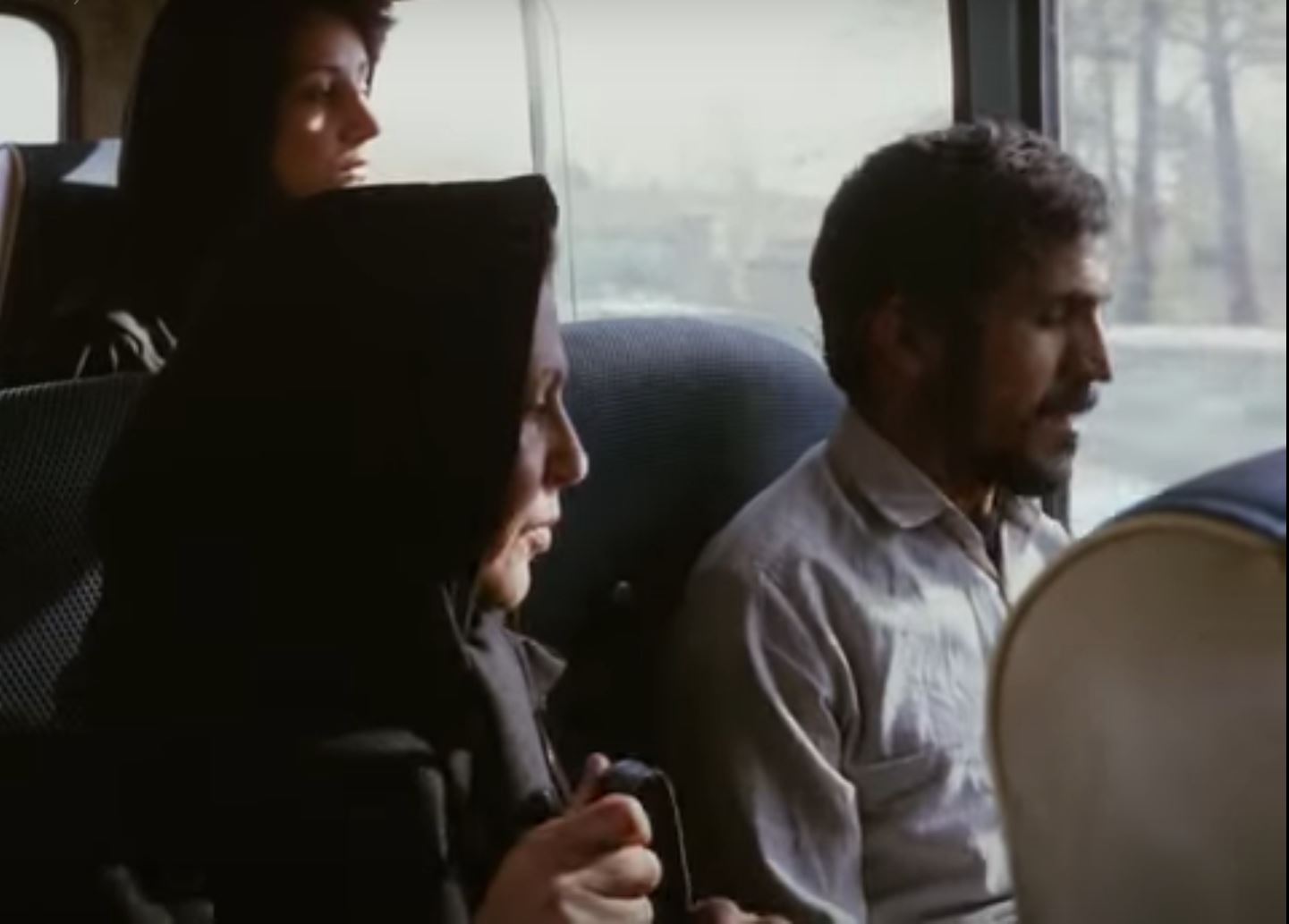
Close-up combined the social concerns of Italian Neorealism, to which the New Iranian films were often compared with the French new waves self-expressionism and idiosyncrasy with the vitalizing context of post-revolutionary Islamic culture. The can rolling on the ground scene can be often cited as one of the most striking in Kiarostami’s bag of work recalls the directors stated intent to craft “half made” films that must be completed by the audience’s imagination. The rolling can creates a feel of shrillness, similar to the sound of a wind in a far-fetched desert, a reflection of the post war scenario in Iran. The scene where Sabzian and the mother of the ‘Ahankhah’ family, Once they got acquainted with each other inside the bus- the mother selflessly described about her children and became excessively ornate to introduce her two sons rather than getting involved in a conversation with Sabzian. The film offered a picture of the Islamic Republic far more shaded and intriguing than the clenched fists and burning effigies featured to the western audiences. At the penultimate scene when the two soldiers are taking Sabzian as a captive, the mother notwithstanding the social constraints asks the officers to at least allow him to finish his lunch before going.
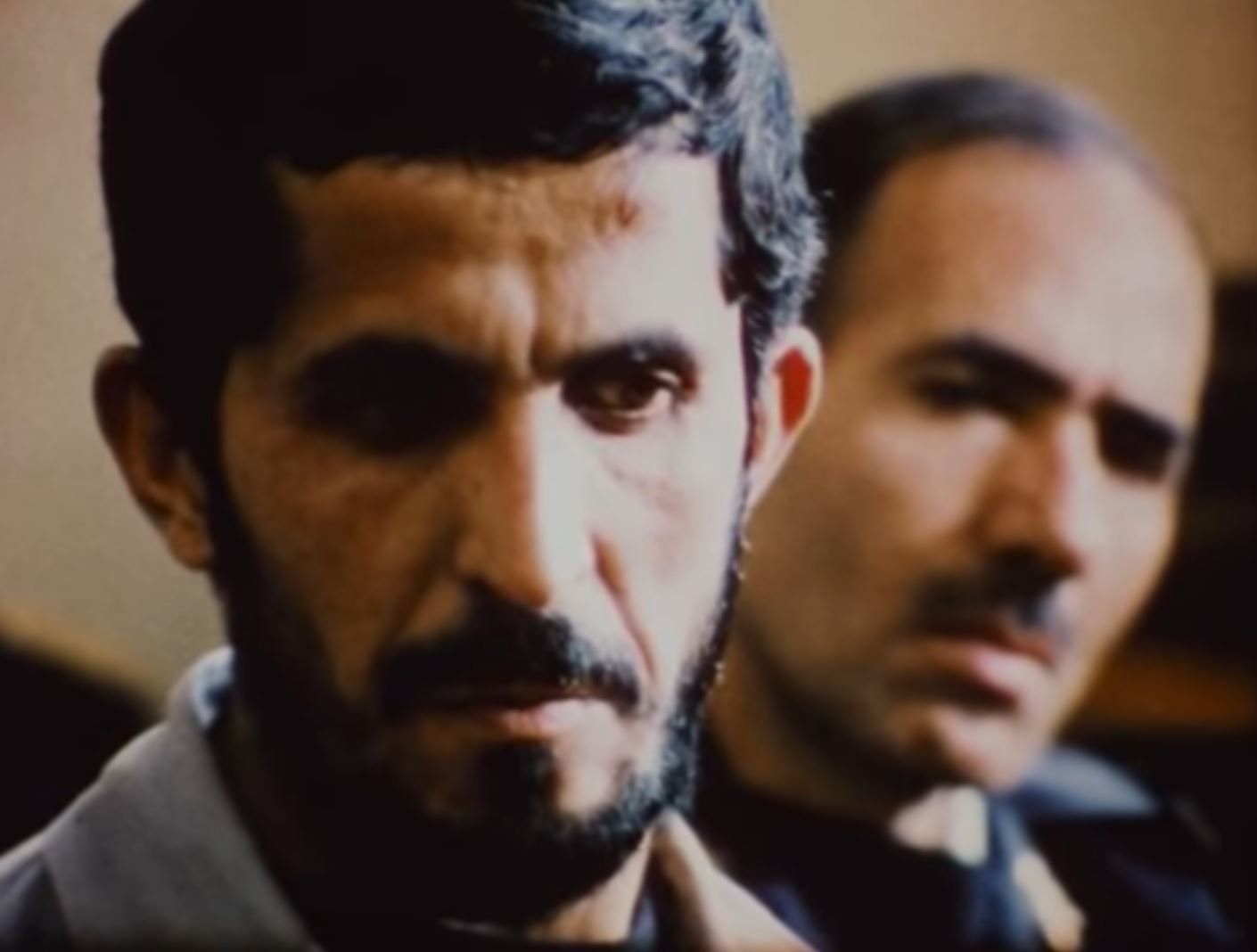
The film is not one in which documentary is blended with fiction but one in which an intricate fiction is composed of real life materials. Kiarostami’s subjects have always revealed a concern that represents a mindset and what causes them. In this case it’s Sabzian a person who portrays Makhmalbaf, which does not only speaks about his love for films but which later lets him take on the place of a person whom he admires the most. Kiarostami defines the intent of Sabzian impersonating his admired one by simply putting us the audience inside the courtroom, a place where thoughts expressions and beliefs of a person has to be served in a utensil. Kiarostami brings two cameras into the courtroom and tells Sabzian that the one with the wide angle lens will film the legal proceedings, while the close up camera remain on him recording his performance. The two camera scheme seems to be designed to mirror Sabzian’s own view of his plight, as ‘The law’ Versus ‘Art’.
Inside the courtroom the thin, bearded cinephile Sabzian compares himself to the hapless hero of Kiarostami’s first feature “The Traveller”. At every turn the film eliminates the standard journalistic narrative by techniques that might best be called poetic. The manner in which the victim describes himself in-front of the judge is in itself a very poetic and romanticized version of a crime committed by a cinephile. The narrative structure followed by the director is very non-linear in its outer-sense because at the beginning of the film we see Sabzian being taken as captive by the soldiers while at the end of the film the same narrative unfolds itself but from the different perspectives.
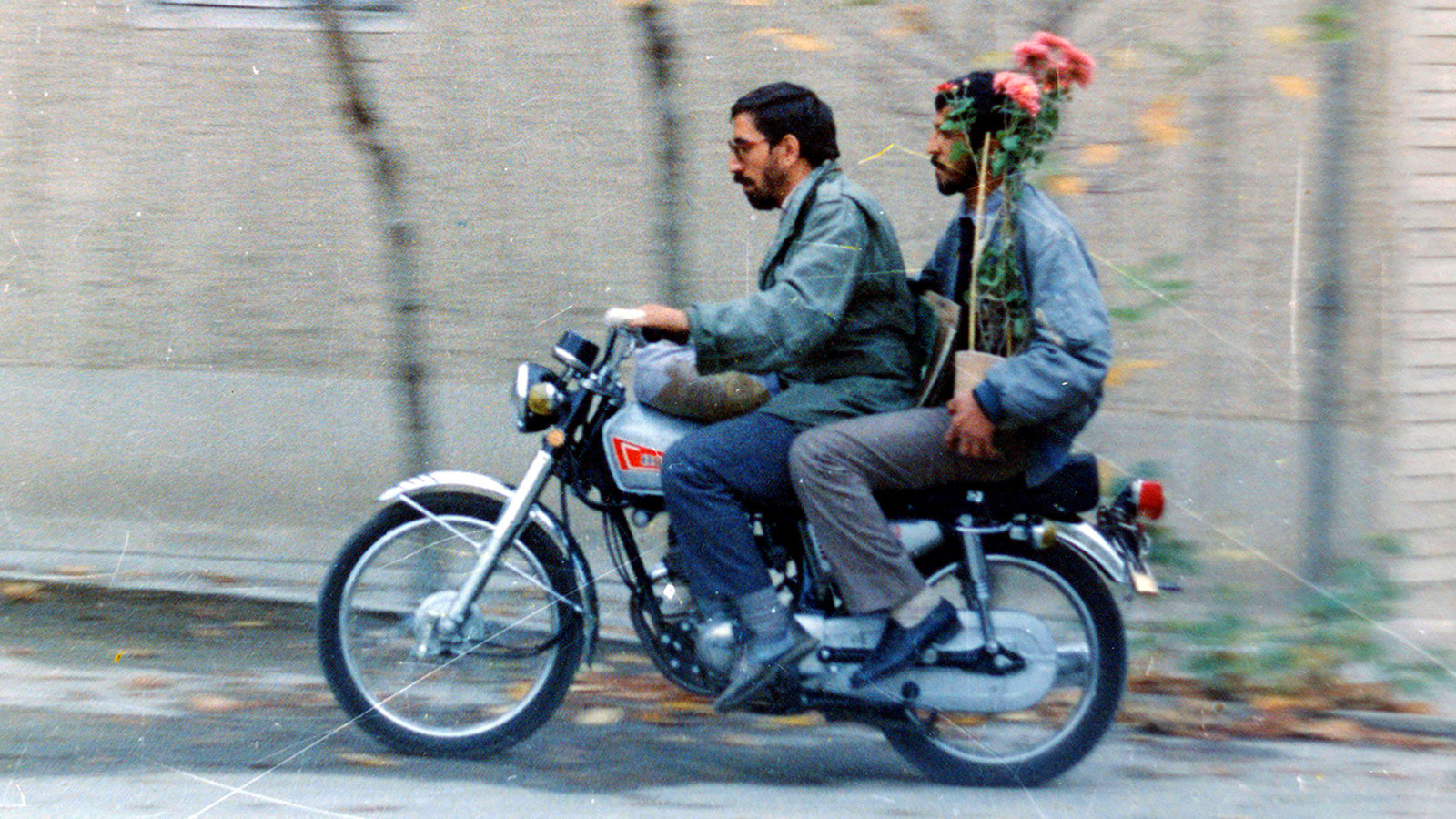
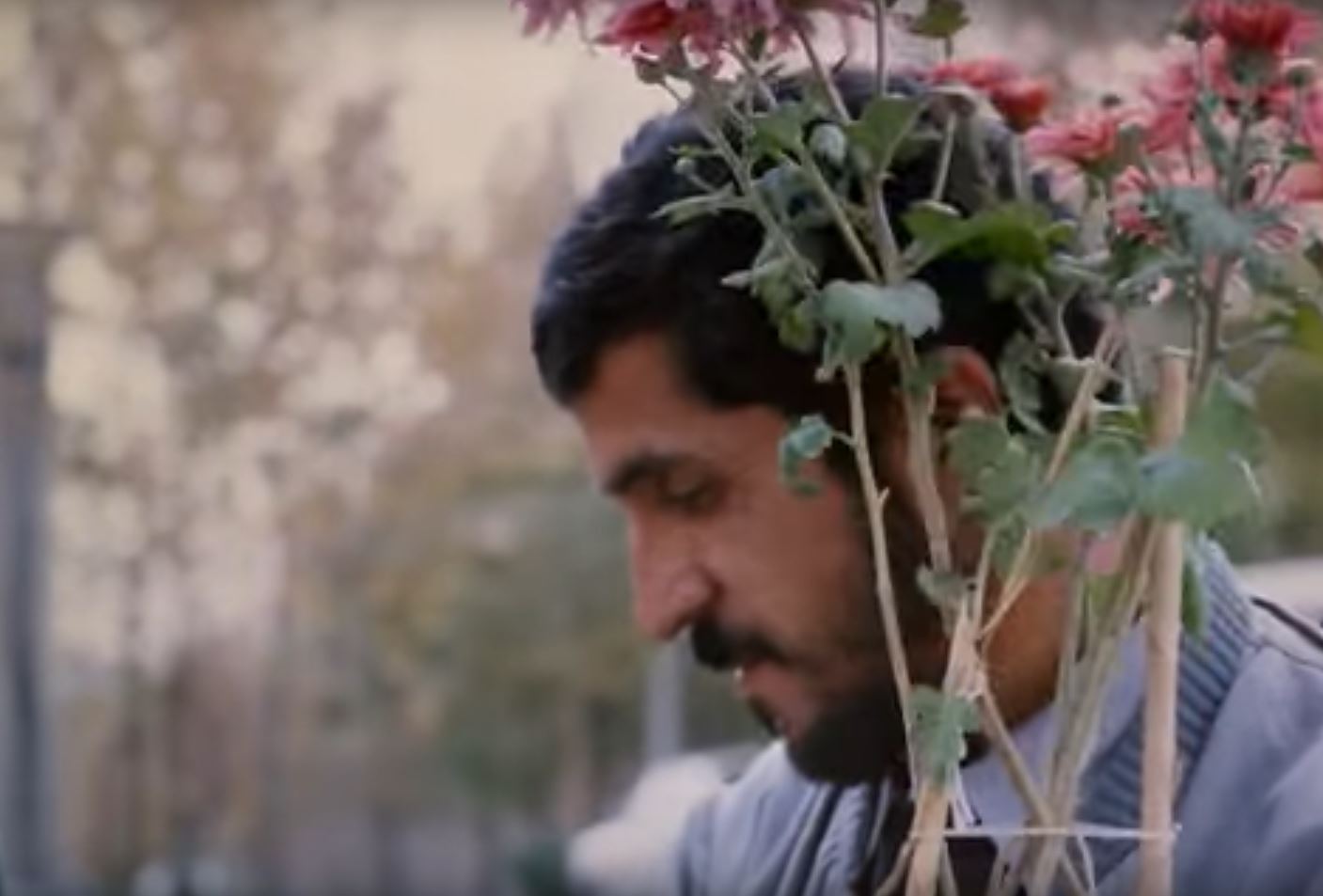
Soon after Sabzian emerges from the prison and meets Makhmalbaf he collapses in tears in his hero’s arms, the two board Makhmalbaf’s motorcycle and head off across Tehran. The sound glitch eventually give way to the lovely and compassionate theme in which Sabzian’s joy comes at embracing his idol. It is the self-aware suffering of him in the movie that touched the world’s imagination and made Iranian Cinema an Icon for humanistic ideals, its faith in dreams that offers avenues out of the world’s worst oppression. The Iran where comfortable householders and a poor man shared a devout love of cinema, and where a turbaned Islamic uses love and affection to effect a compassionate reconciliation between bitterly opposed antagonist.
In the extremity, quoting Kiarostami “Sometimes they think that my completely insane films have some particular hint for someone and I really don’t understand what they are talking about”, similarly Close-up tells a story a person and his want for recognition and love for art rather than a film with layers of intent it’s a simple tale of a person which contains some parts of fictitious living as well as non-fictitious ones.
 Let's Talk About Cinema