Close-up–A Perceived Origin

Close-up is a film which intricately describes Iran and Kiarostami as an ideological and practical expression of an art form which has the capability to influence the mass as well as the inner psych of an individual. After the revolution in Iran dated from (1978–79), the living conditions and the lifestyle of the nation changed forever. Kiarostami as a director who was engaged with the art pro and post revolution was heavily impacted due to this phenomena. By the time Close-up was made Abbas Kiarostami was already a critically acclaimed director and if we do a close analysis of his movies we can get the better understanding of his love for the country and the lifestyle of the Iranians as a whole. His camera focuses on the Character, and it moves to and fro to portray Iran and its landscape as well as it cityscape, his award winning movie “Taste of Cherry” which received Palme d’Or in the Cannes Film festival thoroughly shows us his vision of expositioning a character inside the four walls of a car.

The movie Close-up is based on a Cinephile named ‘Sabzian’ who is heavily influenced by the mechanism of Cinema and aspires to be a filmmaker like his idol ‘Mohsen Makhmalbaf’. After an article which appeared in the local news, Kiarostami instantaneously decided to make a movie on this theme which is very psychological and thought provoking in its nature. He had interview Sabzian and the Ahankhah family numerous times due to the intimacy of the topic involving individual identity and convergence of cinema with the society. The family as well as Sabzian wasn’t ready to do the film but the charm of Kiarostami is such that he succeeded in pursuing them to enact the incidents based on his script. He even manipulated the judge to hold his hearing on the date of shoot and garnered permission to film the entire proceeding.

The way in which he directed the movie is neither a documentary nor a fiction but a proactive, unconventional merging of the two which changed Iranian cinema forever and launched a new wave of filmmaking which is very much related to the social inequity and personal identity that dares to question the purpose of cinema. The main issue raised by the film refers to the need that a man experiences inside his inner self regardless of their material circumstances to obtain esteem and social recognition. The docu-fiction narrative of this Iranian film tells us about the socio economic structure of Iran in a very subtle manner. For instance the scene when ‘Mahrokh Ahankhah’, the mother of the family, and Sabzian meet in a daily commuting bus by a twist of fate, depicts that still belonging from a High Class family she travels in very standardized manner using public transport outlines the impact of revolution in post contemporary context.
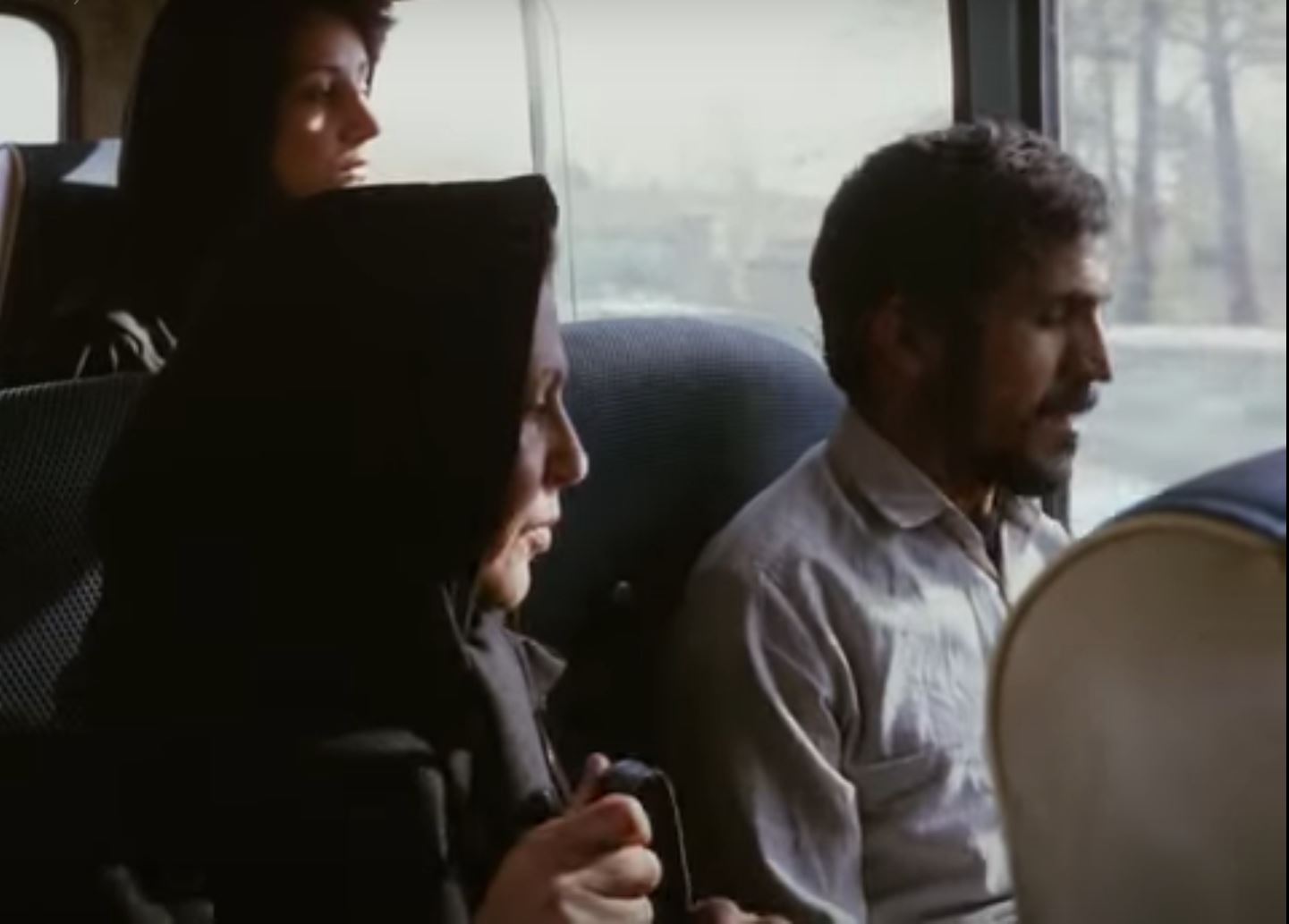
Close-up combined the social concerns of Italian Neorealism, to which the New Iranian films were often compared with the French new waves self-expressionism and idiosyncrasy with the vitalizing context of post-revolutionary Islamic culture. The can rolling on the ground scene can be often cited as one of the most striking in Kiarostami’s bag of work recalls the directors stated intent to craft “half made” films that must be completed by the audience’s imagination. The rolling can creates a feel of shrillness, similar to the sound of a wind in a far-fetched desert, a reflection of the post war scenario in Iran. The scene where Sabzian and the mother of the ‘Ahankhah’ family, Once they got acquainted with each other inside the bus- the mother selflessly described about her children and became excessively ornate to introduce her two sons rather than getting involved in a conversation with Sabzian. The film offered a picture of the Islamic Republic far more shaded and intriguing than the clenched fists and burning effigies featured to the western audiences. At the penultimate scene when the two soldiers are taking Sabzian as a captive, the mother notwithstanding the social constraints asks the officers to at least allow him to finish his lunch before going.

The film is not one in which documentary is blended with fiction but one in which an intricate fiction is composed of real life materials. Kiarostami’s subjects have always revealed a concern that represents a mindset and what causes them. In this case it’s Sabzian a person who portrays Makhmalbaf, which does not only speaks about his love for films but which later lets him take on the place of a person whom he admires the most. Kiarostami defines the intent of Sabzian impersonating his admired one by simply putting us the audience inside the courtroom, a place where thoughts expressions and beliefs of a person has to be served in a utensil. Kiarostami brings two cameras into the courtroom and tells Sabzian that the one with the wide angle lens will film the legal proceedings, while the close up camera remain on him recording his performance. The two camera scheme seems to be designed to mirror Sabzian’s own view of his plight, as ‘The law’ Versus ‘Art’.

Inside the courtroom the thin, bearded cinephile Sabzian compares himself to the hapless hero of Kiarostami’s first feature “The Traveller”. At every turn the film eliminates the standard journalistic narrative by techniques that might best be called poetic. The manner in which the victim describes himself in-front of the judge is in itself a very poetic and romanticized version of a crime committed by a cinephile. The narrative structure followed by the director is very non-linear in its outer-sense because at the beginning of the film we see Sabzian being taken as captive by the soldiers while at the end of the film the same narrative unfolds itself but from the different perspectives.
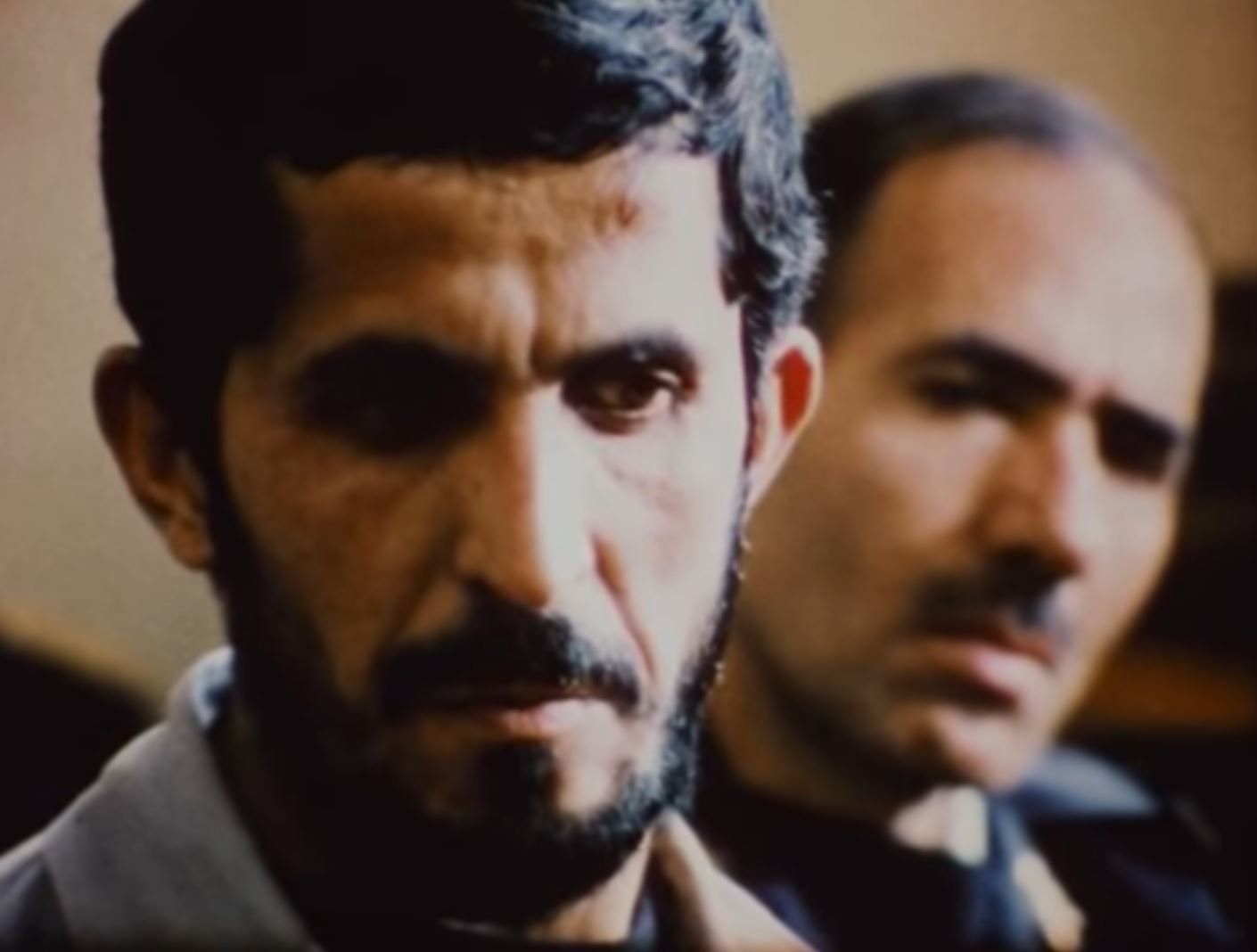
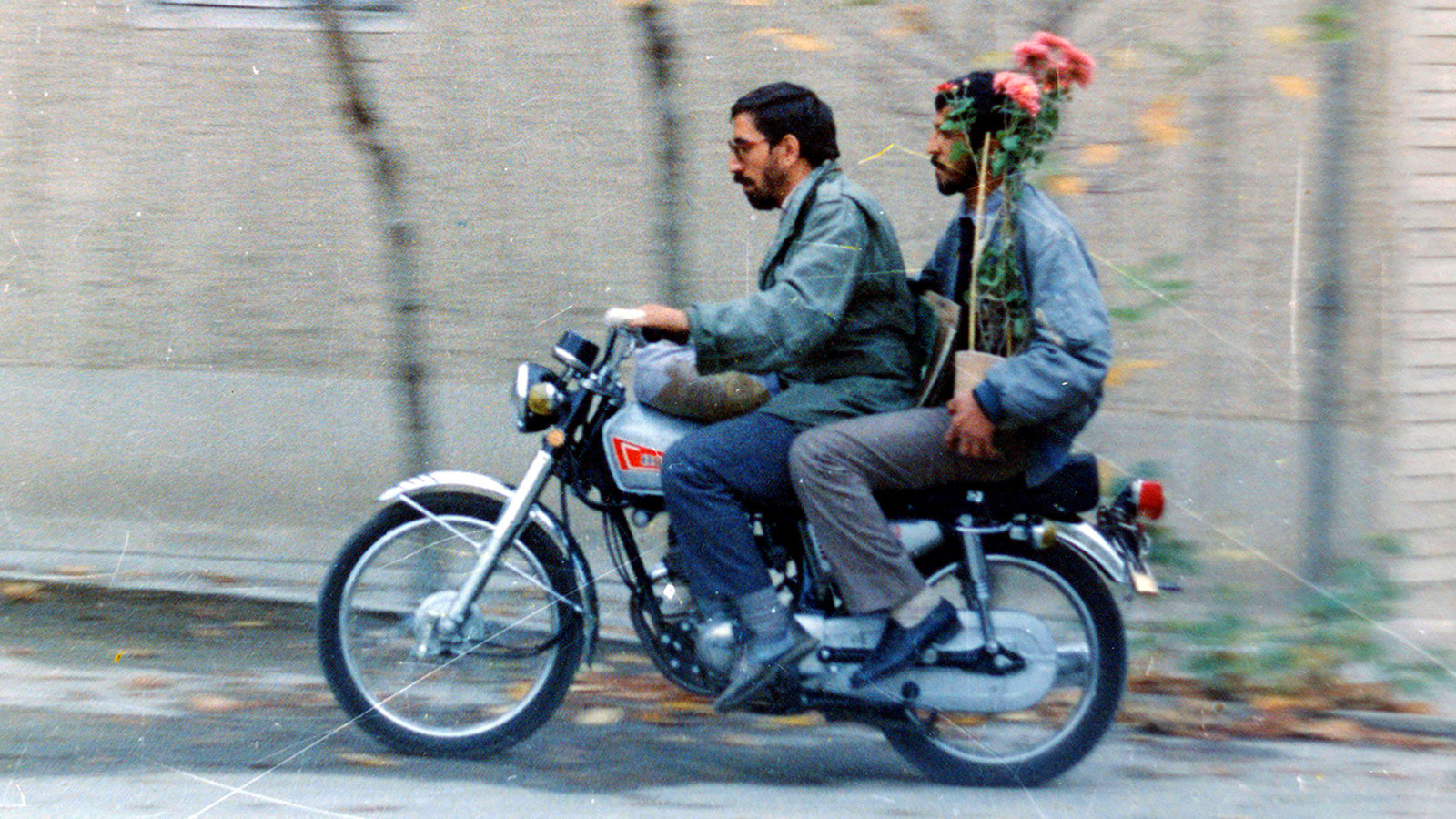
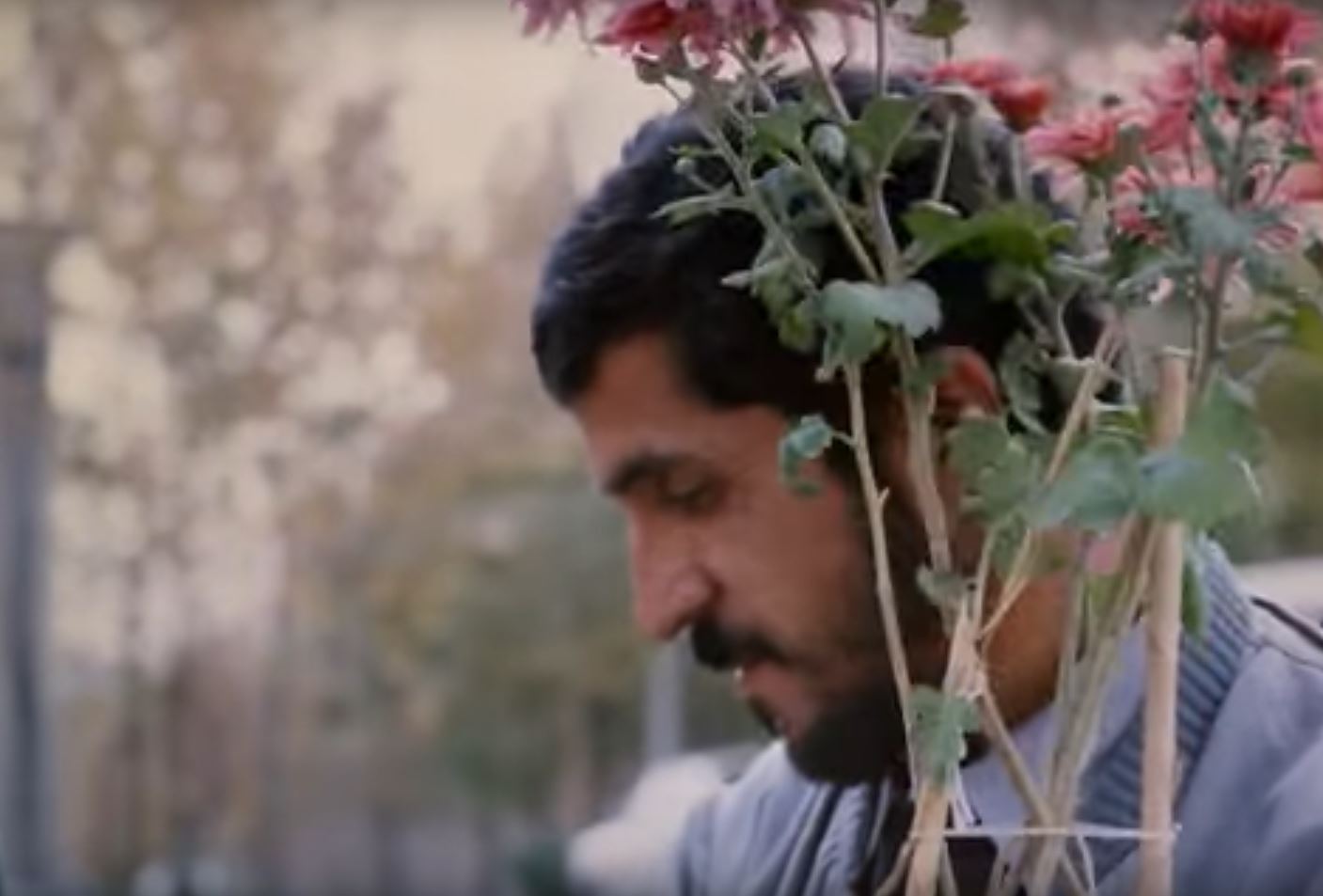
Soon after Sabzian emerges from the prison and meets Makhmalbaf he collapses in tears in his hero’s arms, the two board Makhmalbaf’s motorcycle and head off across Tehran. The sound glitch eventually give way to the lovely and compassionate theme in which Sabzian’s joy comes at embracing his idol. It is the self-aware suffering of him in the movie that touched the world’s imagination and made Iranian Cinema an Icon for humanistic ideals, its faith in dreams that offers avenues out of the world’s worst oppression. The Iran where comfortable householders and a poor man shared a devout love of cinema, and where a turbaned Islamic uses love and affection to effect a compassionate reconciliation between bitterly opposed antagonist.  

In the extremity, quoting Kiarostami “Sometimes they think that my completely insane films have some particular hint for someone and I really don’t understand what they are talking about”, similarly Close-up tells a story a person and his want for recognition and love for art rather than a film with layers of intent it’s a simple tale of a person which contains some parts of fictitious living as well as non-fictitious ones.
Crouching Tiger, Hidden Dragon: A Western Dream

The role of characters in a story basically is concerned with, if the story is plot/event motivated or character motivated, in the case of this piece of moving frames it touches both very “cinematically” keeping one in state of fiction of understanding as well putting art in a way , that dissolves within the story foreshadowed by other elements” as my fellow friend says.

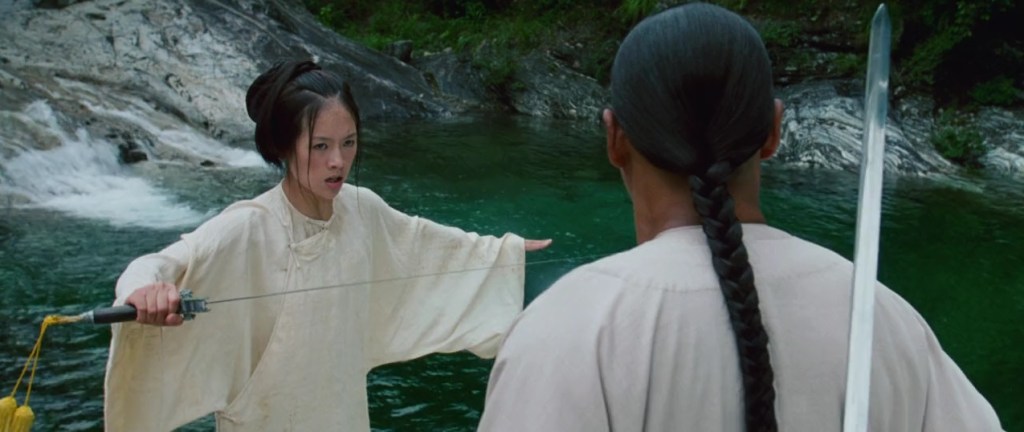
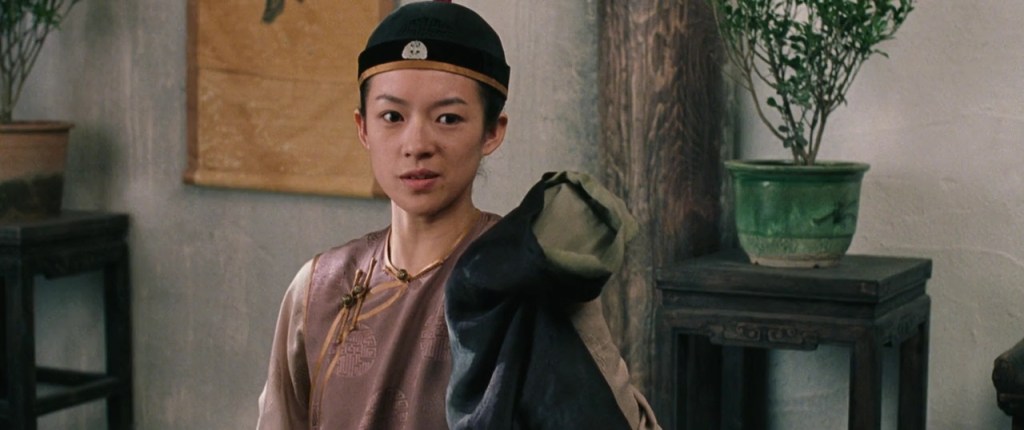
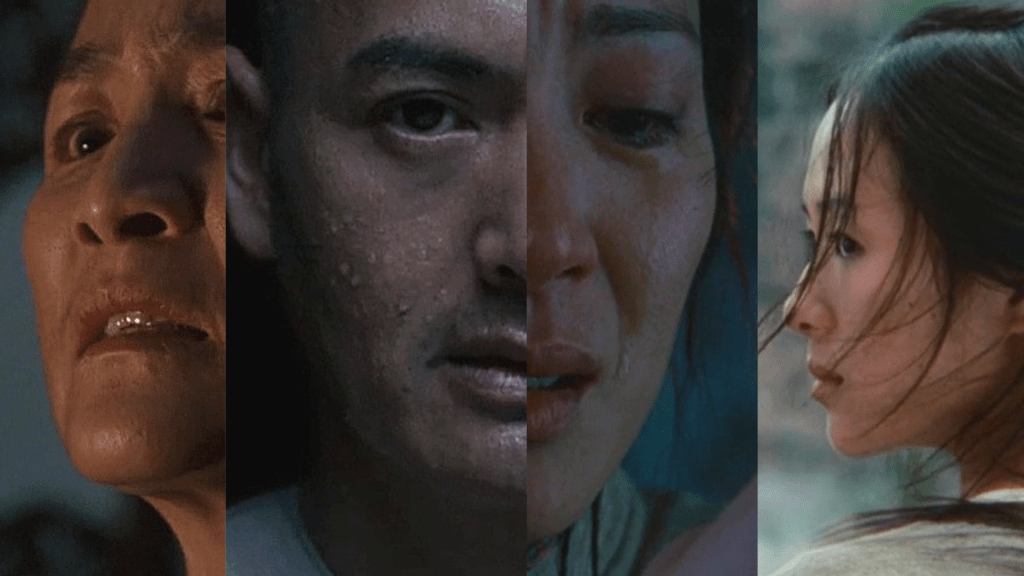
The notion of freedom leans on the basic structure of one’s rights, their wishes and the allowance of pursuing those wishes. Crouching tiger and hidden dragon deals with the notion freedom in every instance and thus describing the story as a part of it is relatable. Freedom is one of the integral part of this film, characters weave their structure and we as viewers can fulfill our thirst of desires. Starting from Li mu bai, a martial artist who lived in a life as a warrior, goes to the Wudang Sect to get away from his bonding’s both emotionally and physically, learns that the freedom which he was searching for remains with his loved one only. Jiau long\ Jen Yu who struggles in both her identities both as a watchdog as well as a lady well bound to tradition. She thrives to live a life away from the tradition and royalty with her love but as for her family she resists to do that, but at the same time when she latches on to the other identity she thrives to make her place in the society, she awaits her freedom from the handcuffs of the society. Yu Shu Lien awaits freedom from the pledge of marriage in which her husband’s memoir remains, so that she could latch herself with the person who stood by her in all times. Jade fox the one who got the excess and dreaded part of the society, she got used by the most honored person in the society (Master of Li mu bai) and so her freedom gets latched away from the society and so she takes away from the people, because she knows that these people are only following the blind path.

Ang lee as a director who had is schooling from a western domain of cultural and capitalist medium of communication that is film, frequently uses the three act structure to define the narrative of his films, used this in a rather moulded way which reflects the Chinese traditional ideology to redefine the film in its way. Influenced, no one can say it’s the only path (Orientalism). Disney’s Cars trilogy as a story develops its character and gives us the audience the time to connect with them. Crouching Tiger and Hidden Dragon achieves the same effect, I will be talking about two of the most viable commercial film series of hollywood to explain the path a great figure follows, Disney’s Cars as well as Stallone’s Rocky series follows the journey of character’s Steve Mcqueen and Rocky balboa respectively. In both of the first films of the series we understand the story as well as connect with characters. In the consecutive parts we see the different sides of each character, but specifically pointing out Cars 3 & Rocky 5. There is a process of aging that occurs in our daily lives, that applies on us as well as the films we see
everyday, this aging is not only physical but also psychological, there are hurdles each characters had to cross, to grow from a rookie/beginner to a teacher/helper. In the Cars 3, Mcqueen grows and understands the aspects of modern day racing, while maintaining the old aspects, of what he learned from his master, At the end he decides to leave the ground for his disciple to take his place. Rocky 5 talks about balboa after he achieved the highest honour while fighting Ivan drago representing his country. What one does after he achieves the most, he tries to pass that passion, desire and compassion to the younger generation, the same happens with Mcqueen. For some, it’s the natural order of a protagonists growth and his aging mind, that will not be able to compete with the modern tactics, as much as the younger generation , and thus does this speaks about the influence of western film culture on Ang lee, one can’t actually comment on it but one can relate him to the culture and how his creations evolved in Crouching Tiger and Hidden Dragon.

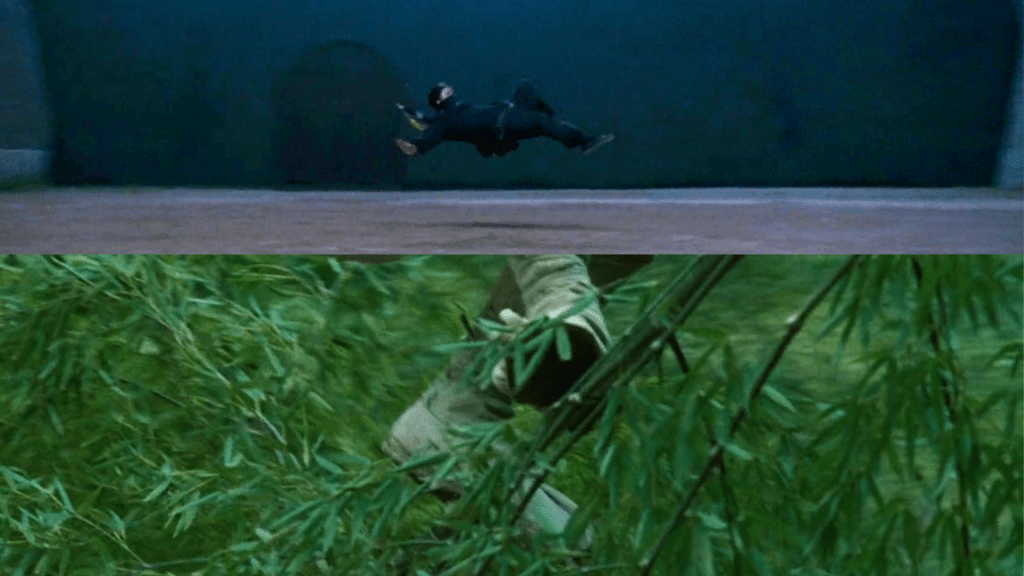
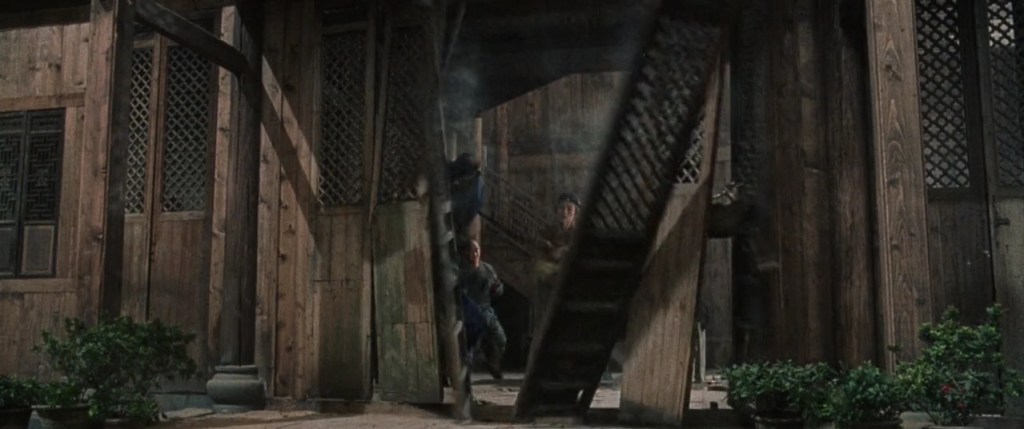
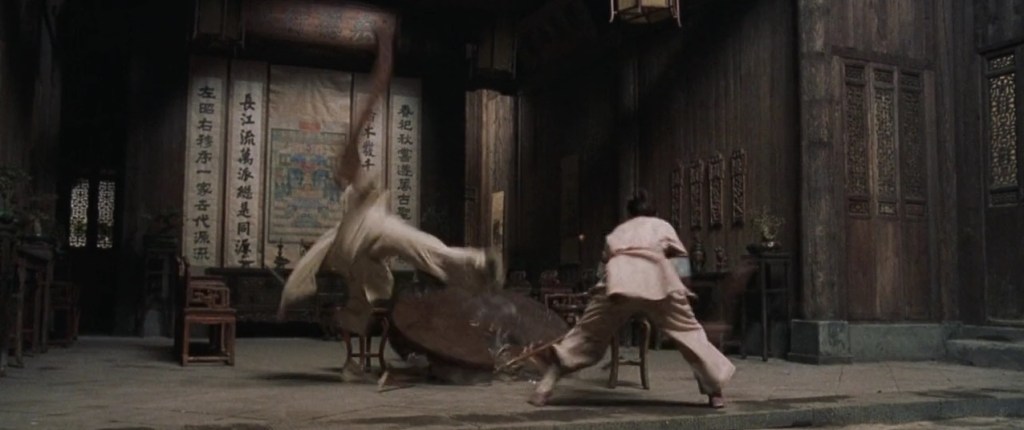
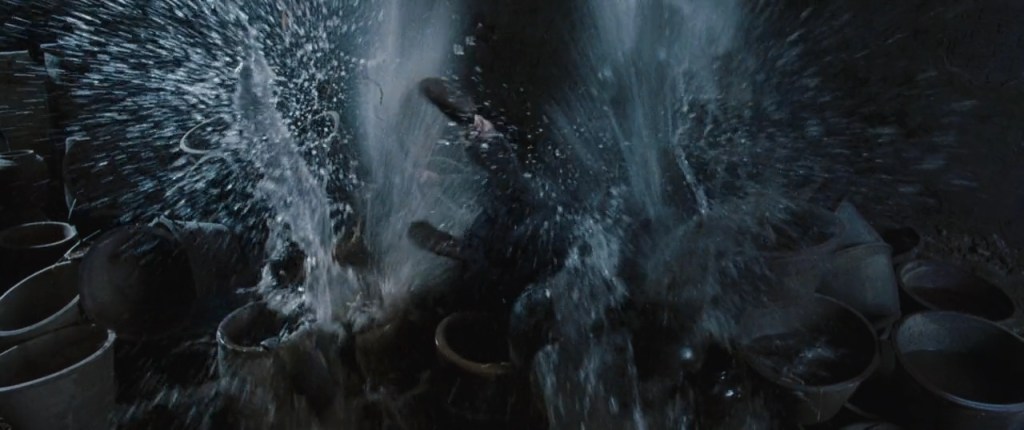
Crouching tiger and hidden dragon is a film filled with motifs that shows us a cinematic world filled with nuances that describe our daily lives with most intricate points deeply seeded behind the ongoing story. Let’s Break the Paradigm – Breaking swords, balcony roof stalls, tables and desks, swords, weapons used for martial arts, pots holding water for house hold use, that is one that shows you the path of showing the outbreak the household paradigm of breaking away from the what is accepted of you as a wife of a human being. Ang lee showed us how to diegetically involve meaning of essays through small visual motifs.

Earlier films of Ang Lee, we can see there is a touch of of human nuances the hint of these are translucent in this film, the characters have drama within there arcs and it reflects within the the story itself. Crouching tiger and hidden dragon is a film that has been a hallmark for the generations of filmmakers to come in the future.

Enter The Dragon: The Art of Fighting Without Fighting

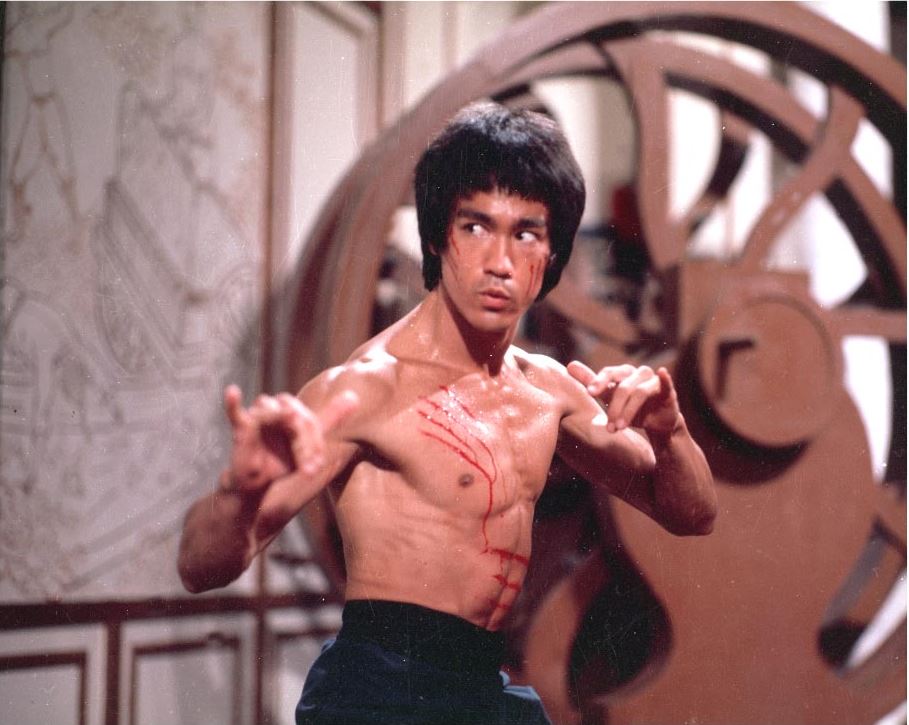
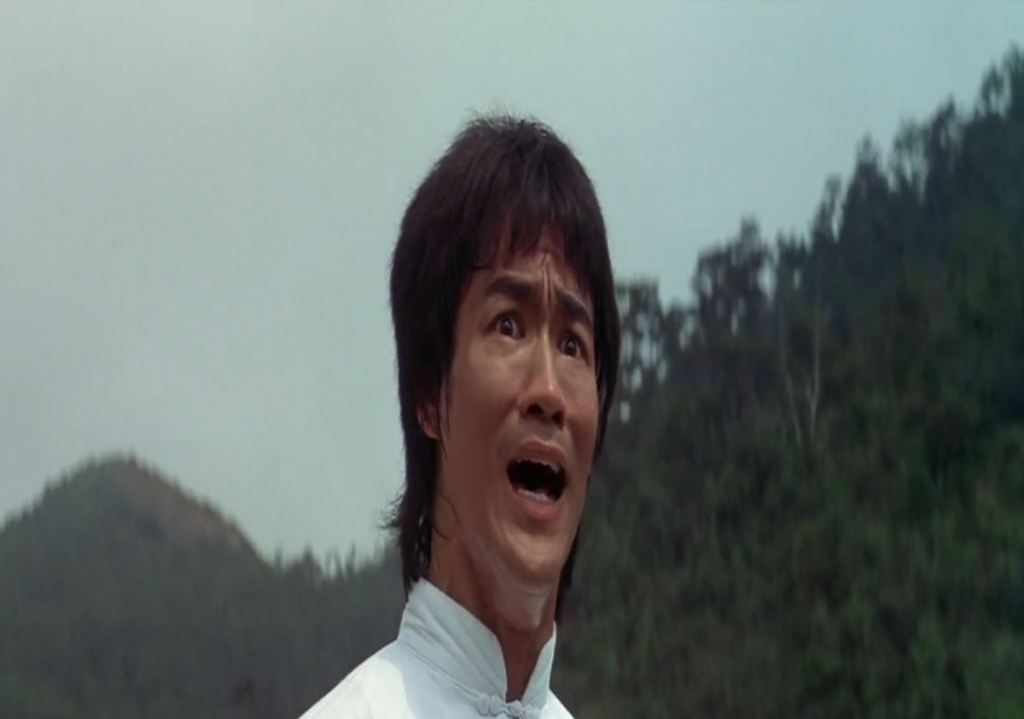
Enter the Dragon is the brainchild of the Legend Bruce Lee, who is known for his extraordinary skill and charisma in martial arts movies which took the world by the storms in the 1950-70s. By the time “Enter The Dragon” was released, the western world had already developed the ‘Kung-Fu craze’ as explained by David Desser and Poshek Fu in their book “The Cinema of Hong Kong: History, Arts, Identity”. This movie falls into the container of various genres and consists of various other elements within the Kung-Fu movie formula which caught the attention of western audiences both America and Europe, who familiarized these features as borrowed from contemporary ‘Bond 007’ films and television action-adventure series such as ‘Kung Fu’ on ABC between 1972-75

The influence of other genres and other contemporary movies can be spotted at different levels inside the movie. The most obvious is the American and the Caucasian ethnic group practising martial arts and also being a master at it. The character of Williams, an African American, is a straight citation to the “Blaxploitation” trend which many movie of the 1970 endeavoured to revive the image of the African American community within the United States. His Afro hairstyle and super cool attitude is a compliment to his panache and his fighting skills.
The character of Roper is the extravagant version of the white American, whose gambling and prodigal attitude is even shown as a dashing to the audiences. Seeing this character practising martial arts, at first may seems surprising and might even catch you off guard.

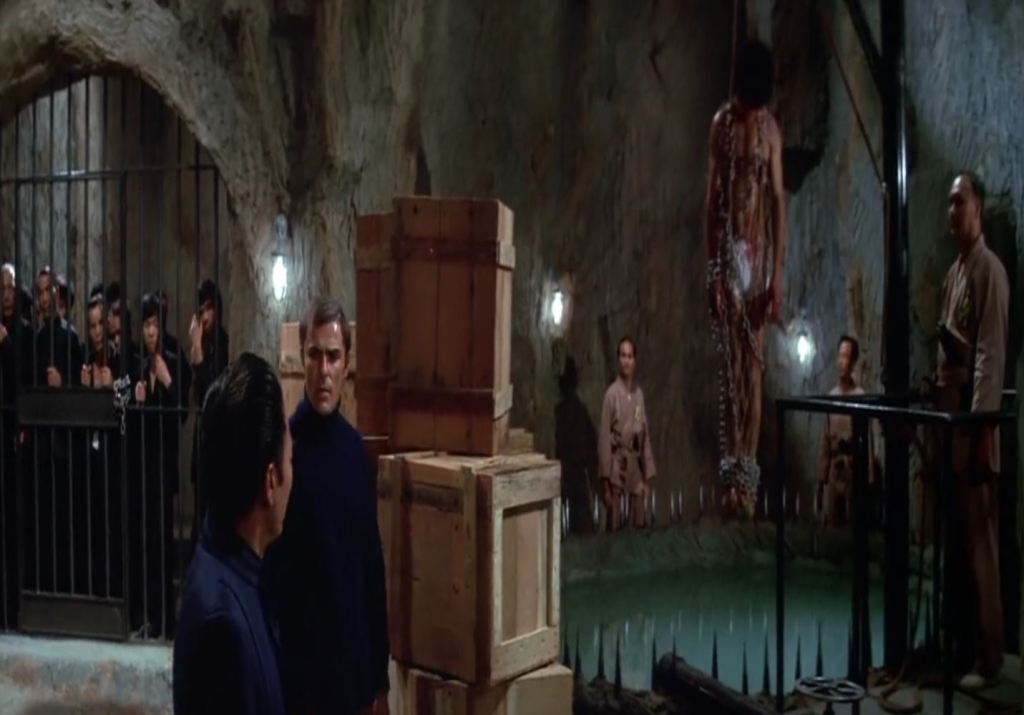
“Enter The Dragon” is the first martial arts film produced by a Hollywood Studio and shot amidst the beauty of mythical Hong Kong. Even though the movies narrative might feel like some fable, it has steady traces of westernization or particularly capitalization within it. The central thematic approach to this movie is Bruce Lee representing the United States government as a spy who has to uproot the villainous Han’s empire. Han’s island is a whimsical location covered in jungle and massive palaces which represent the empirical China but underneath those are a giant underground nest filled with drugs and drugged women, slaves in cages, exotic fighting equipment and experimental labs; suddenly from a beautiful Hong Kong to a movie set which represent the ‘Rambo’ and ‘Bond’ films.
As I was watching this film the first thing that caught my attention was the soundtrack which is very much western in its origin and has similarities with the action films of the west, mainly the Hollywood ‘James Bond’ franchise. Lalo Schifrin’s soundtracks blends the Far Eastern tones and rhythms with western background music, recalling from his previous composition the television series ‘Mission Impossible’ or the movie Dirty Harry(1971).

The Director Robert Clouse does a tolerable job exhibiting the film’s many fight with nifty visuals ideas. Still the film has deficiencies of any directorial touch rather it is Bruce Lee whose auteurist touch takes the film to whole new level. The way the fight scenes are choreographed justify his talent and his place among the legends of the martial arts film. Sudden and steady of Point-of-View shots makes us dive deep into the characters as they are experiencing the fight, the realistic hand to hand combat and also the use of body as weapon makes us go gaga over the fighting techniques of Bruce Lee. The fight scenes, choreographed by Lee himself, are anticipated parts where the movie shines while still being a bag full of cliché’s, at every closure we know what’s going to happen next but it is the charismatic fighting scenes which keep us digging out popcorns.

Although many other films of this genre have the lead character first defeated and then after rigorous training achieving victory, ‘Enter The Dragons’ first spoken lines congratulate Lee on his talents going beyond the mere physical realm and from there the film build him into a veritable angel of death. In the fight between O’hara and Lee, we keep on wondering why such an angelic and godly character exterminate two persons instead of forgiving them but this is where this movie gets separated from other martial arts movie which build on the theme of vengeance and avenge of the death of a family member which is very much Chinese in its nature.

Enter the Dragon itself is a strange film which is built upon Chinese legends. The film combines different exploitation genres, freely mixing martial arts, spy films, old comic books, and adventure serials also sex and violence but stays true to its origins of Hong Kong martial arts film. There is also a connotation of ‘Chauvinism’ to the whole film, as most of the female characters utility is very odd because they serve as sex prize for the hyper-masculine lead characters. Only one female character stays true to the fundamental aspect of the old martial arts films which had female characters as the lead, paying homage to those women Lee’s elder sister commits suicide to save herself from getting raped from the hand of the villain Ohara, which drives the psychology of Lee to kill Ohara taking vengeance for his sister.

Lee started his career as a child actor in Hong Kong and then relocated to the States to create his own martial arts style which is very different from what is practised in Hong Kong. His style is more animated and exaggerated than his counterparts, his actions and movements are motivated by the camera rather than the fight therefore it makes use of the medium to portray his chiselled body and martial arts fighting movements. Upon his return to Hong Kong, he made three martial arts films: Big Boss, Fist of Fury and Way of the Dragon- all of which broke box office records and marked the revival of martial arts kung Fu into the mainstream film industry. It also succeeded in making Lee a legend all over the world, and his premature death meant that he would join the ranks of gone-too-soon martyrs like American actor James Dean and Chinese silent film actress Ruan Lingyu that the entertainment world loves to worship.

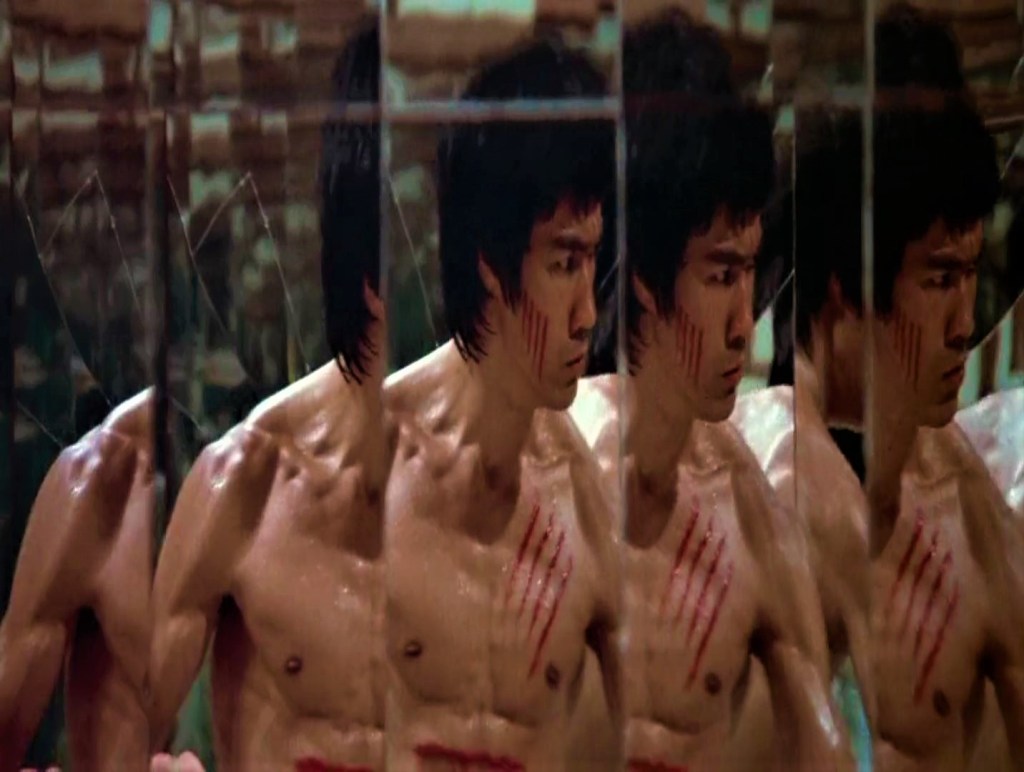
While many people say that ‘Enter The Dragon’ is merely a western influenced martial arts film, it can be considered as a proper Kung-Fu movie having several susceptible of attracting the Asian audience who had better knowledge of Bruce Lee from his previous films. For this type of audience continuity was privileged and the previous codes were respected. In the move the fight sequence are overwhelmingly present and the theme of revenge, also one of the main working elements of ‘Fist of Fury’- in which Lee avenged the death of his former instructor is also to be found in ‘Enter the Dragon’- the fight between Han and Lee starts only with the dialogue of Lee saying how Han has disrespected the Shaolin temple and his instructor. The classic climactic fighting sequence between Lee and Han in a room full of mirrors has been put into the hall of fame of martial arts films which has inspired many of the movies later made, but it draws inspiration from the Orson Welles classic ‘The lady from Shanghai’ in which the final scene also unfolds into to somewhat similar setting.

The movie can broadly be defined as the crucible of various genres including other element of the kung-Fu movie formula which was used to fish the attention of the western and eastern audience and a salvaged attempt to make Bruce Lee the immemorial figure of the action and martial arts cinema which he is still till date and keep on continuing being the Legend.         

Design a site like this with WordPress.com
Get started